
Comparison
Georgetown vs Round Rock vs Cedar Park: Which Austin Suburb Is Right for You? (2026)
 Kelly LadnerJune 26, 20268 min read
One of the questions I get asked the most is which town someone should pick. Georgetown, Round Rock, or Cedar Park?
My answer is always the same.
It depends on you.
That isn't me dodging the question. Every area has its own personality, and all three of these are good places to live. The way people end up unhappy is rarely the town. It's picking on price alone, or on a drive time read off a map and never actually tested.
So let me walk you through how I'd think it through, with current numbers attached. The tradeoffs are the useful part, not the answer.
Quick comparison
Home figures below reflect every active listing in each city as of late September 2026. They are asking prices on homes currently for sale, not sold-price data. Confirm current numbers before acting.
| Georgetown | Round Rock | Cedar Park | |
|---|---|---|---|
| Distance to downtown Austin | ~30 mi (~30-45 min) | ~20 mi (~25-35 min) | ~17 mi (~25-30 min) |
| Median list price | ~$460K | ~$415K | ~$499K |
| Median $/sq ft | ~$205 | ~$197 | ~$216 |
| Typical home (median) | 4 bd, ~2,360 sq ft | 4 bd, ~2,120 sq ft | 4 bd, ~2,470 sq ft |
| Active listings (selection) | ~1,970 | ~945 | ~350 |
| School district | Georgetown ISD | Round Rock ISD | Leander ISD (mostly) |
| Known for | Historic square, Sun City (55+), Southwestern University | Tech employers (Dell HQ), established | H-E-B Center, newest feel, closest in |
Two things in there matter more than the rest, and they point in opposite directions.
Selection tracks distance. Start here. The farther out you go, the more homes you get to pick from. Cedar Park has about 350 active listings. Round Rock has about 945. Georgetown has around 1,970, which is more than the other two put together, twice over.
If you want room to be choosy, that gap is the biggest real difference between these towns.
Price doesn't track distance. I wish I could tell you cost falls steadily the farther you drive. It doesn't.
Cedar Park is the most expensive on both measures, which makes sense for the closest-in town. But Round Rock, sitting at 20 miles, is currently the best value per square foot of the three at about $197. That's under Georgetown's $205, even though Georgetown is ten miles farther out.
So if you're trying to stretch the dollar rather than widen the search, the middle option is winning right now. That runs against what most people expect.
What changed over the summer
All three medians came down between late June and late September 2026.
Georgetown went from about $499K to about $460K, roughly 8% down. Round Rock fell further, from about $474K to about $415K, or about 12%. Cedar Park went from about $544K to about $499K, also around 8%.
Honestly, this is the part I'd ask you to read slowly, because it's easy to take it the wrong way.
Those are asking prices on homes that are currently listed. They are not closed sales. A falling median can mean sellers are pricing more realistically. It can also mean the mix of homes on the market has shifted toward smaller and cheaper ones. Usually it's some of both.
It is a real signal that things have cooled off since the early-summer peak. It is not the same thing as saying homes lost 8% of their value.
If you want to know what a specific house is worth today, look at comparable sales on that street, not a citywide median. That's the number that decides an offer.
Georgetown
Georgetown is where I work, so let me start by saying I'm not neutral about it. It's the county seat of Williamson County, and it leans into being a smaller city on purpose. You get a beautifully preserved Victorian courthouse square with local shops and restaurants around it, the First Fridays events, and Southwestern University giving downtown a little college-town energy. Sun City is here too, one of the largest active adult (55+) communities in Texas.
Homes and price. By far the biggest selection of the three at roughly 1,970 active listings. A median home runs about 2,360 sq ft near $460K, or about $205/sq ft.
Commute. The longest of the three at roughly 30 miles to downtown Austin. Very manageable to the north Austin job corridors. Longer to downtown at peak, and I won't pretend otherwise.
Who it tends to fit. Buyers who want the widest set of options, a historic and less hurried town center, and the freedom to take their time comparing. You're trading a few extra commute minutes for that, and plenty of people happily make that trade.
Round Rock
Round Rock is the most established of the three, and a real job center in its own right. Dell is headquartered here, and the Samsung and Apple north Austin campuses are within reach. It's a larger, full-service suburb where everything is already built.
Homes and price. The best value of the three right now on both measures. Lowest median list price at about $415K, and the lowest cost per square foot at about $197. Homes do run smaller, with a median around 2,120 sq ft, so you're buying efficiency rather than sprawl.
Commute. The middle option at about 20 miles to downtown. The bonus I'd flag is that a lot of jobs are in Round Rock itself, or just south of it.
Who it tends to fit. Buyers who want the shortest path between home and a north-corridor tech job, and the most house per dollar of the three.
Cedar Park
Cedar Park has the youngest, most active feel of the three, and that tends to be the draw rather than the price. The H-E-B Center anchors a sports and entertainment vibe, home to the Texas Stars and the Austin Spurs, and being closest to Austin is a genuine draw.
Homes and price. The priciest of the three. Median list near $499K and the highest per square foot figure at about $216. It also has the largest typical home at a median around 2,470 sq ft, and by far the tightest inventory at roughly 350 active listings.
Commute. The closest in, at about 17 miles to downtown Austin. If your drive is the thing you care about most, I'd start here.
Who it tends to fit. Buyers who want the shortest drive toward Austin and a newer, more amenity-dense feel, and who have the budget for it. I'd also want you ready to move quickly here. With inventory that tight, the right house may not sit long.
How I'd decide
I don't think there's a best town on this list. There's a best fit, and you get to it by working backward from what you actually need. Five questions.
Where do you work, and when do you drive? Map your real route at your real hours. I always encourage people to do this before they fall in love with a house. Distance on paper and a 7:45 a.m. commute are two different animals.
What does your budget buy? This is where the second-guessing usually happens. If cost per square foot is what matters to you, Round Rock stretches the dollar furthest right now. If being close in matters more and you'll pay for it, that's Cedar Park.
How much do you want to choose from? This is where Georgetown separates itself. With nearly 2,000 active listings, it has a range of price points and home styles the other two can't match at the moment.
What do you want from the town itself? Historic square and deep selection, established and job-rich, or newer and closest in. My advice is to go drive all three on a Saturday morning and see which one you don't want to leave.
How fast do you need to move? Tight inventory usually means acting decisively. Deep inventory gives you room to compare. Neither one is better. They just ask different things of you.
A note on schools
These three towns sit in three different school districts. Georgetown ISD, Round Rock ISD, and for most of Cedar Park, Leander ISD.
District ratings change year to year, and attendance zones are tied to the specific street address, not to the city. If schools factor into your decision, check the current Texas Education Agency ratings yourself, and confirm the exact zone for any home directly with the district before you buy. I'd never want you to find that out after closing.
Before you act
The figures here are a snapshot of active listings rather than sold prices, and this market moves week to week. Treat them as a starting point for a conversation.
Then I'd verify the current numbers, and the specific costs of whatever individual home you're looking at. Taxes, HOA or MUD, and the school zone all belong in that check before you make an offer.
My goal isn't to talk you into one of these three towns. It's to help you land in the one that actually feels like home once you're in it.
Sources: home figures computed from all active MLS listings in each city (Realty-in-US), late June 2026 and late September 2026.
Frequently asked questions
- Which is cheaper: Georgetown, Round Rock, or Cedar Park?
- Based on current active listings (late September 2026), Round Rock has the lowest median list price (~$415K) and the lowest cost per square foot (~$197), Georgetown is in the middle (~$460K, ~$205/sq ft) with by far the most homes to choose from, and Cedar Park is the highest (~$499K, ~$216/sq ft). These are list prices, not sale prices, and they move — confirm current numbers before making decisions.
- Which suburb has the shortest commute to Austin?
- Cedar Park is closest to downtown Austin at about 17 miles (roughly 25–30 minutes off-peak), Round Rock is about 20 miles, and Georgetown is about 30 miles (roughly 30–45 minutes, longer at rush hour). Your real commute depends on where in Austin you work and when you drive — test your actual route at your actual hours.
- Which town has the most homes for sale?
- Georgetown, by a wide margin: roughly 1,970 active listings versus about 945 in Round Rock and around 350 in Cedar Park. More inventory generally means more selection, more price points, and more room to compare before you commit.
- Are Austin-area suburb prices going up or down in 2026?
- In these three towns, active-listing medians have come down over the summer of 2026. Between late June and late September, Georgetown's median list price fell from about $499K to about $460K, Round Rock's from about $474K to about $415K, and Cedar Park's from about $544K to about $499K. Those are asking prices on homes currently for sale rather than closed sales, so they reflect what sellers are asking today, not what buyers ultimately paid.
- What school districts serve these towns?
- Georgetown is served primarily by Georgetown ISD, Round Rock by Round Rock ISD, and most of Cedar Park by Leander ISD (with some areas in Round Rock ISD). Ratings and attendance boundaries change and are tied to the specific address, so check current Texas Education Agency ratings and confirm the zone directly with the district for any home you're considering.
- Which Austin suburb is best for tech workers?
- If your job is in the north Austin tech corridor, all three offer reasonable access, but Round Rock has the most jobs in town itself (Dell is headquartered there) and Cedar Park's shorter distance to north Austin can mean a quicker drive. The best fit comes down to your specific employer's location.
Still torn between suburbs? Get a personalized comparison from Kelly.
Kelly Ladner helps buyers and sellers across Georgetown and Williamson County with honest, local guidance. Reach out for a no-pressure conversation about your goals.

Written by
Kelly Ladner
Kelly Ladner is a Georgetown, Texas real estate agent serving Williamson County and the greater Austin area. She helps buyers and sellers navigate Central Texas neighborhoods, market conditions, and relocation decisions with straight answers and local expertise.
Keep reading
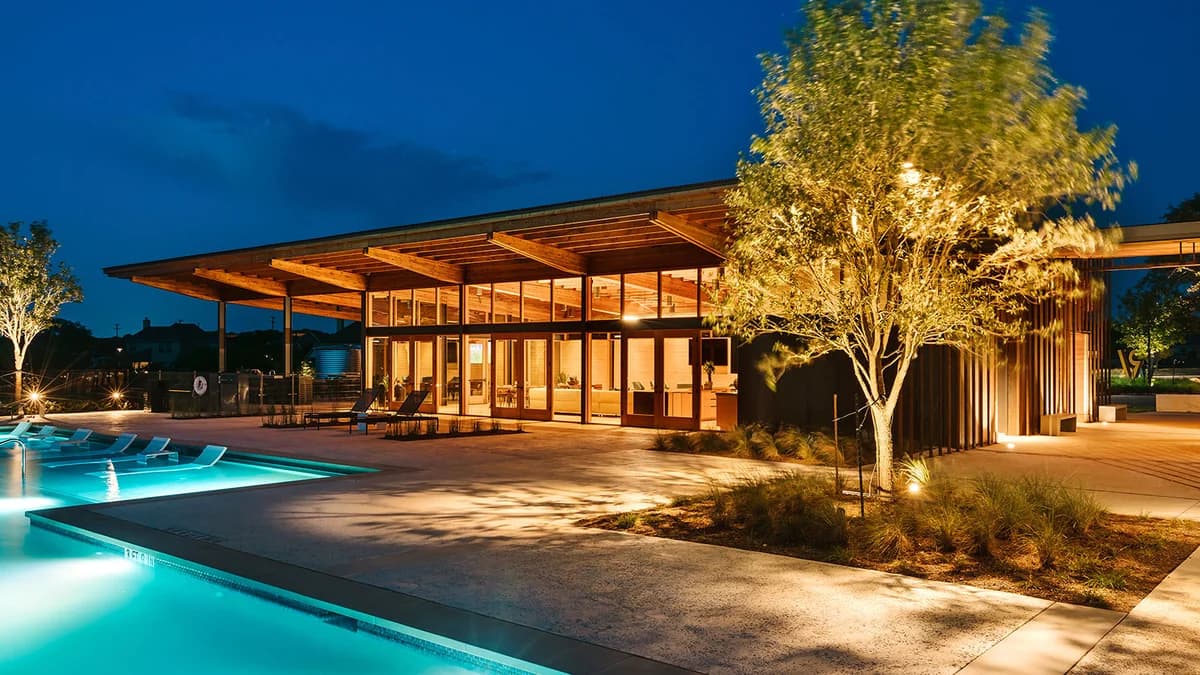
New Construction in Georgetown TX: What Buyers Need to Know
About four in ten homes for sale in Georgetown right now are brand new. Here's where they're being built, what they cost, and what I'd check on taxes, inspections and the contract before you sign with a builder.
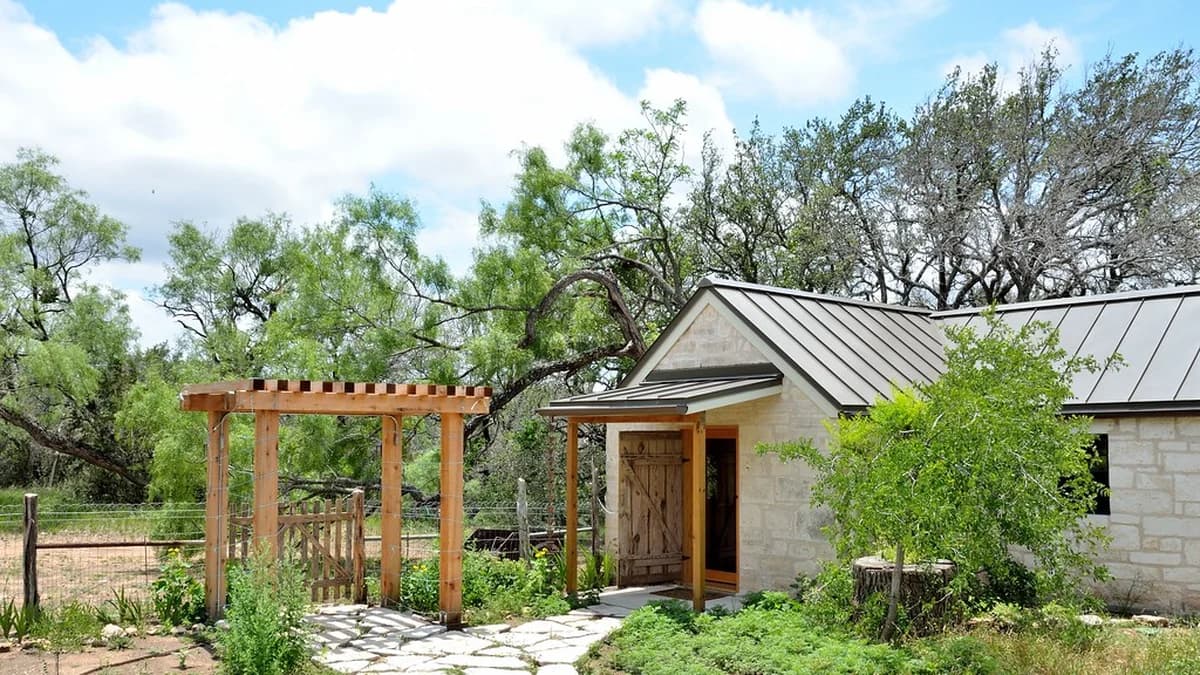
Where to Find Acreage Homes in Georgetown TX
Most of Georgetown's acreage sits north and west of town, toward Andice, Florence and Liberty Hill. Here's where I'd look for land, what it's listing for right now, and what I'd check before you fall in love with a view.
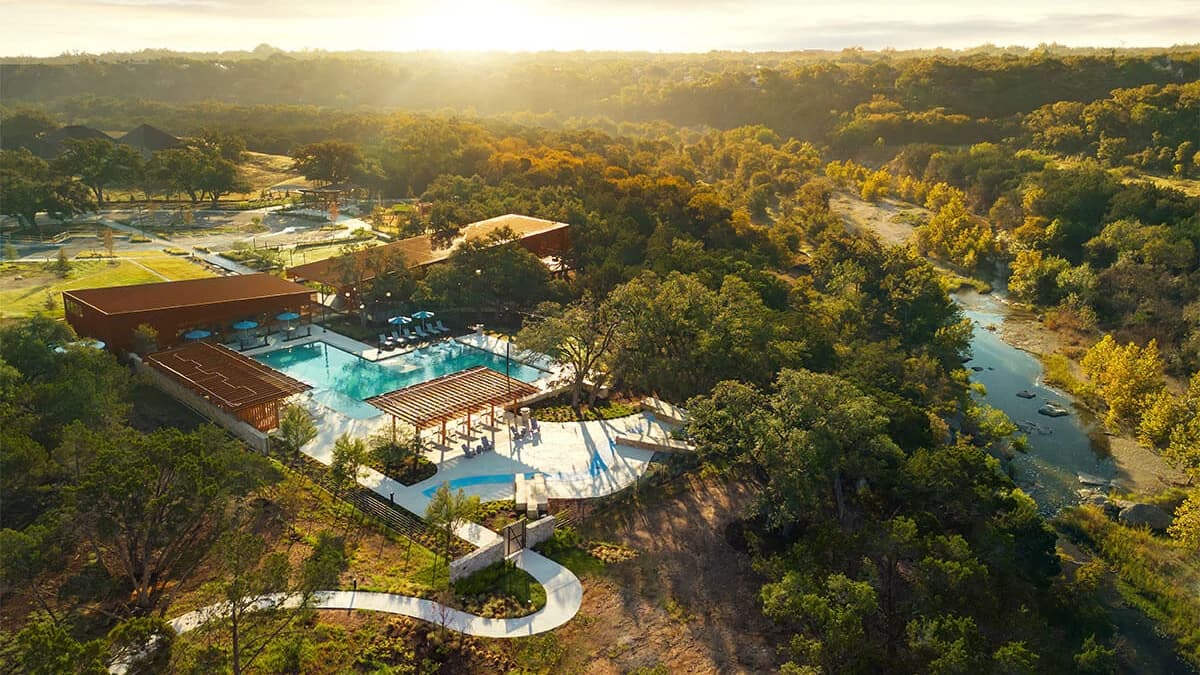
Where to Live in Georgetown TX: Which Area Fits Your Lifestyle?
Georgetown isn't one place. It's a historic square, a river corridor, golf course neighborhoods, a newer east side and a lot of acreage. Here's how I'd match each area to the way you actually want to live, with current listing figures.